

1000 Year Brew
Education
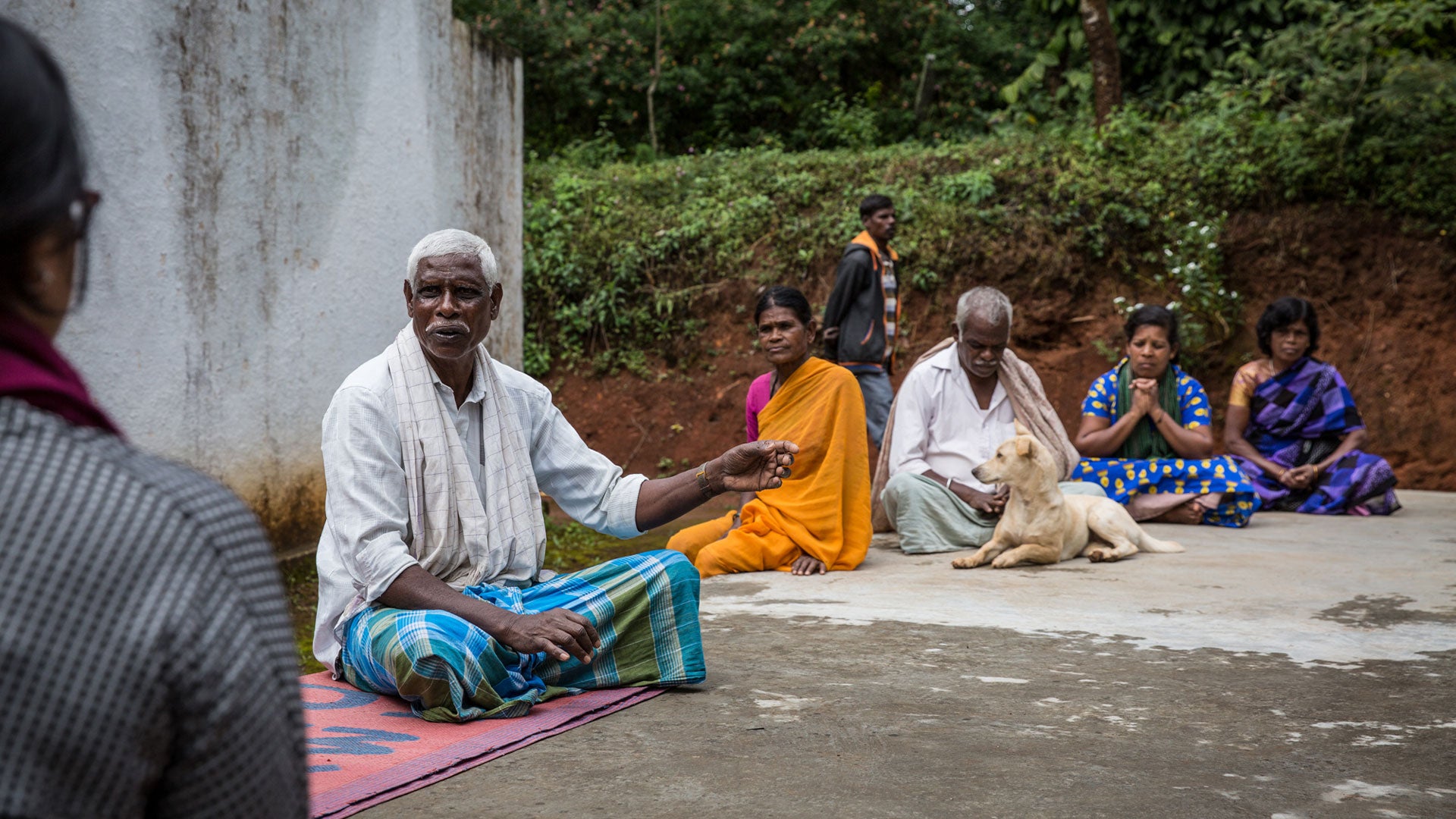
Empowering communities through participatory tools for resilience
Climate resilience isn’t a product to be delivered, but a process to be shaped by those who live it every day.
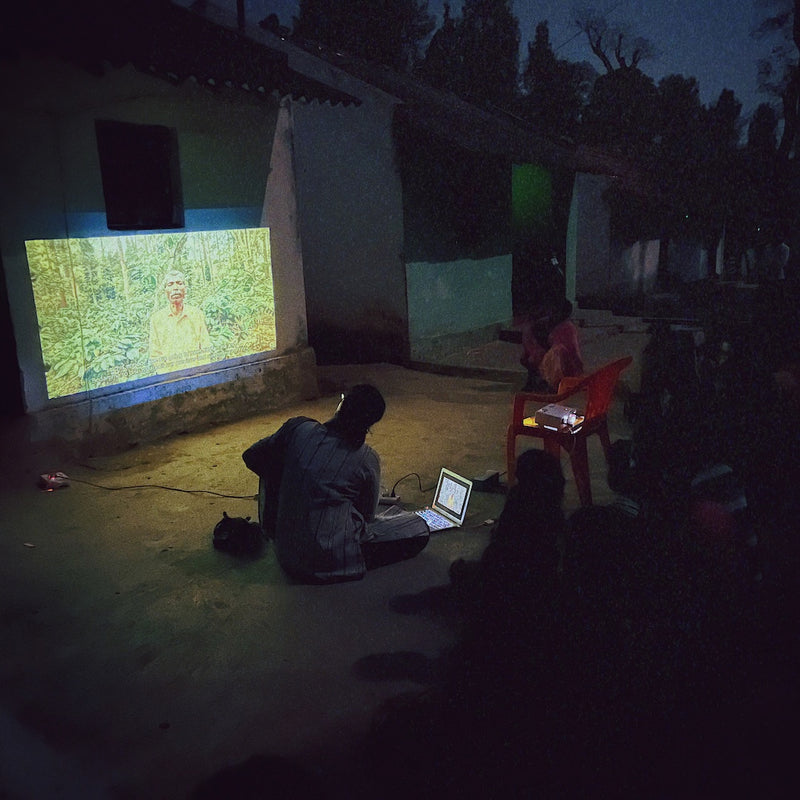
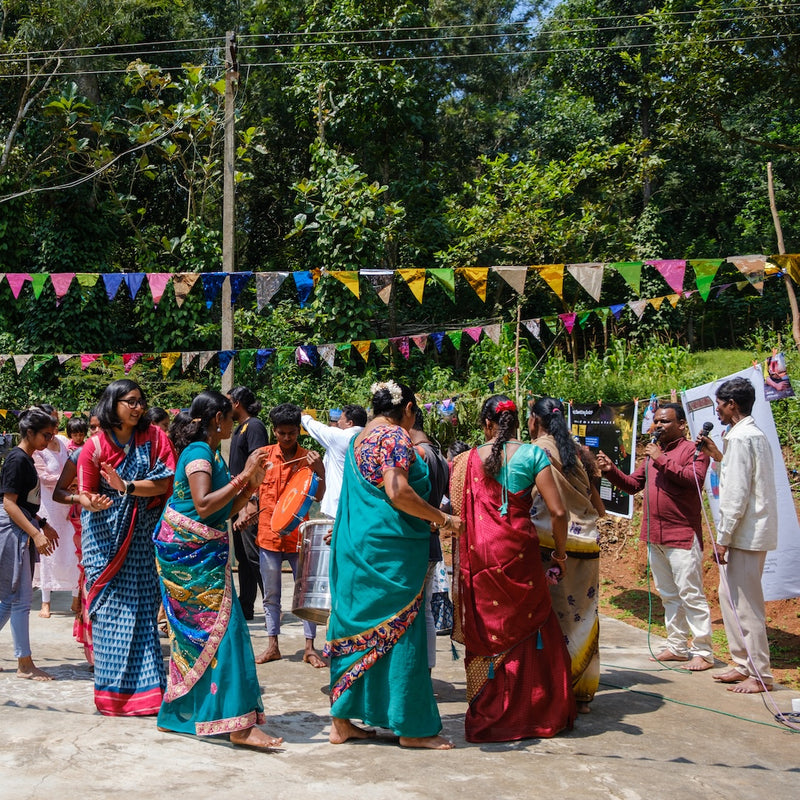
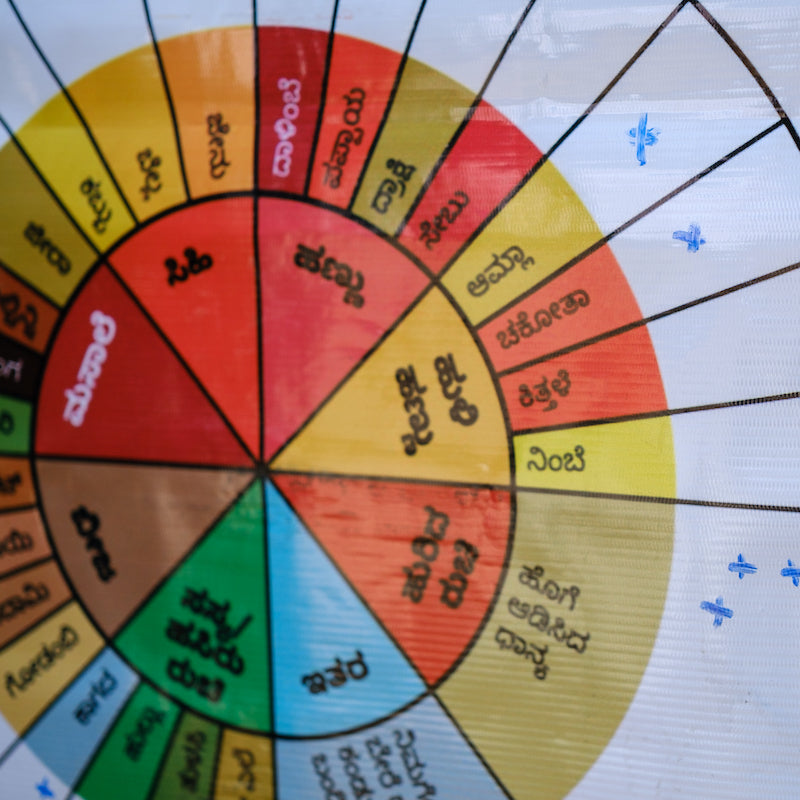
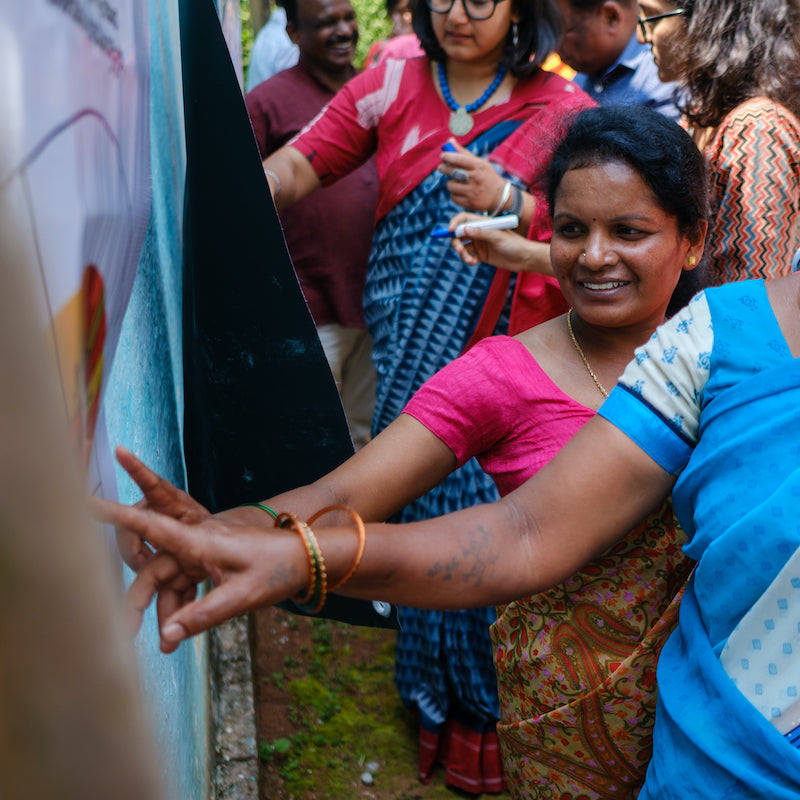
Our training programmes are a response to the urgent and chaotic impacts of climate change on coffee-growing communities. But these sessions are not one-sided conversations. They are spaces for collective learning, where farmers share experiences and observations about everything from plant health and changes in rainfall patterns to strategies rooted in traditional knowledge to overcome these challenges.
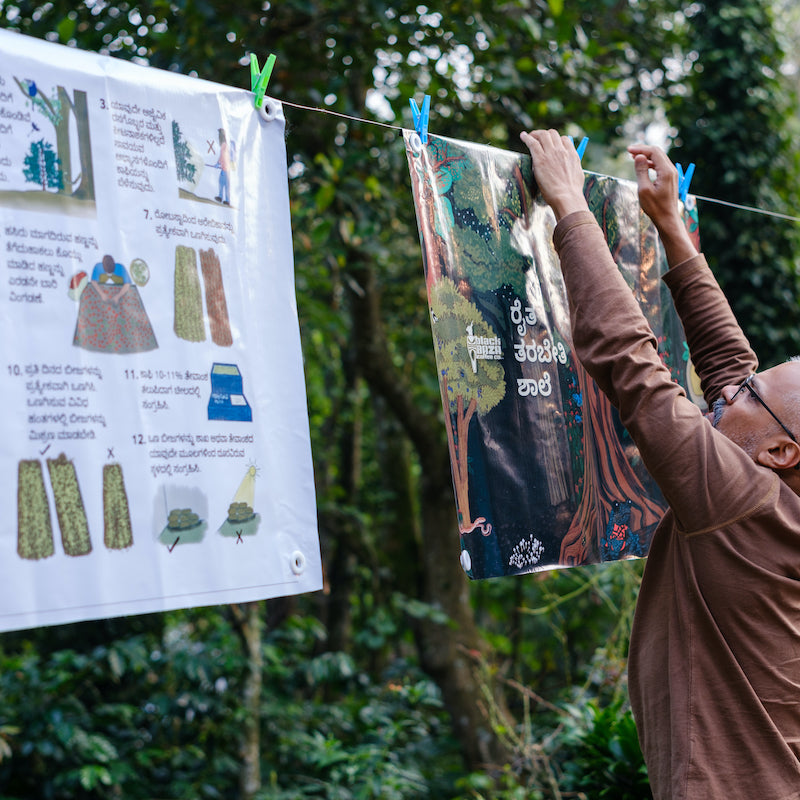
We also engage in field-based modules that aid in managing pests and diseases and improving soil conditions, thus impacting overall farm health and improving yields. Each module is tailored to a particular farm’s needs and challenges.
Post-harvest processing is an essential aspect of our training programmes, and we work towards enabling farmers to use the best practices for picking, fermenting, and drying, improving yields and quality. Beyond technical skills, we also focus on building capacity to strengthen financial resilience, offering finance and expense management guidance.
All training programmes are locally led, context-specific, and designed to foster autonomy rather than dependency.
In a world where climate narratives often overlook smallholder voices, our training programmes recognise the farmers as not just vulnerable populations but as experts and innovators in their own right.
Active Efforts
By creating locally-led, hands-on spaces for collective learning, smallholder growers build climate resilience through ecological practices, post-harvest skills, and financial know-how — all grounded in their own knowledge and lived experience.

Field Notes
View all-
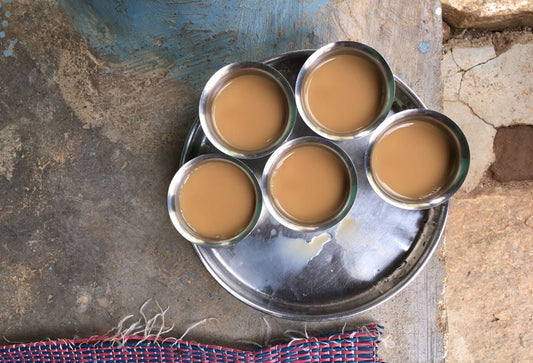
We grow coffee but don’t want to drink it
I set up a light metal table under the tamarind tree. I tear rough paper up into small bite-sized squares and draw three emoji type figures. A smiley guy with...
We grow coffee but don’t want to drink it
I set up a light metal table under the tamarind tree. I tear rough paper up into small bite-sized squares and draw three emoji type figures. A smiley guy with...
-
Spare some decoction for me
How did the idea of using coffee decoction for painting come about? Subconscious creative processes triggered by copious amounts of Black Baza Coffee must surely have played a role! I...
Spare some decoction for me
How did the idea of using coffee decoction for painting come about? Subconscious creative processes triggered by copious amounts of Black Baza Coffee must surely have played a role! I...
