Skip to product information
1 of 1

Smooth Arabica

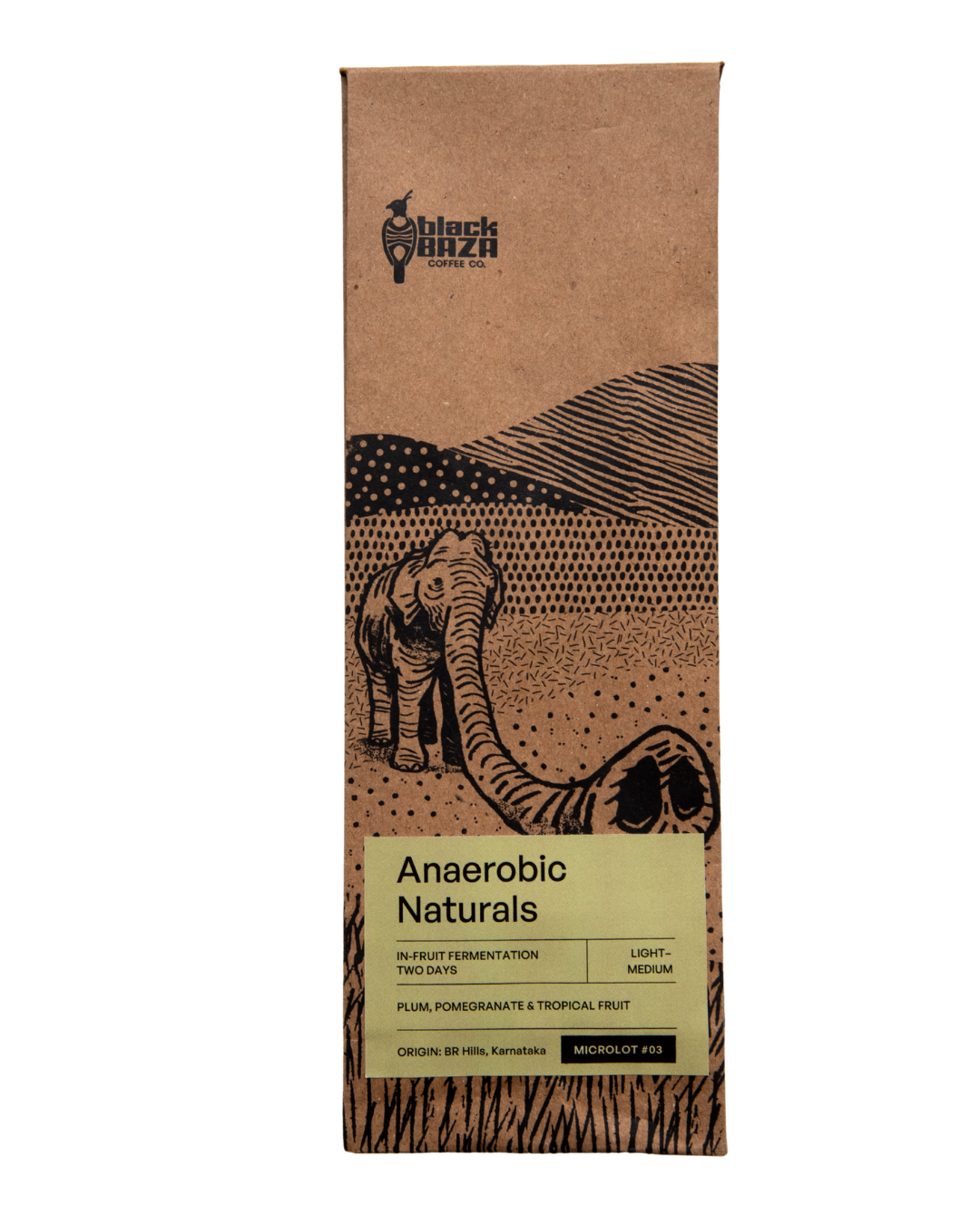
Anaerobic Naturals

Anaerobic Naturals

Regular price 720.00 INR
Regular price Sale price 720.00 INR
Sale Sold out
Taxes included. Shipping calculated at checkout.
View full details

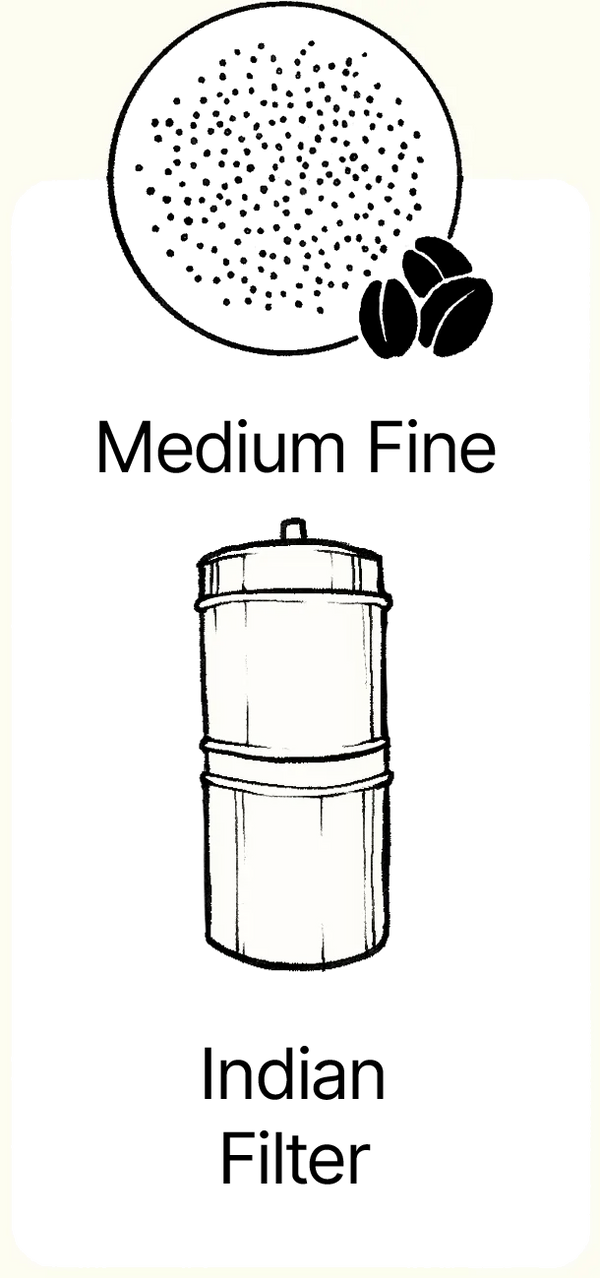
Grind Size Chart

Recommended Brewing Methods for Anaerobic Naturals
coldbrew
frenchpress
channi
chemex
aeropress
pourover
homeespresso
indianfilter
drip
mokapot
KYC Image 1
KYC Image 2
KYC Image 3
KYC Image 4
KYC Image 5
KYC Image 6

Know Your Coffee

COFFEE Arabica, Anaerobic Naturals

Anaerobic Naturals is our first natural-process Microlot of the year and revisits a fermentation method we first explored during the 2024–25 harvest. For this coffee, ripe cherries were selectively harvested, hand-sorted, and placed in airtight vats for 48 hours. During this period, naturally occurring microbes within the fruit begin to break down sugars and transform flavour. The cherries are then laid out to dry slowly on raised beds for between 24 and 42 days.

Drying is a careful balancing act. Over the course of several weeks, the coffee experiences changing weather conditions — rain, direct and dappled sunlight, wind, and fluctuating temperatures — all of which contribute to the character of the final cup. The result is a coffee with a heavy body, syrupy texture, and the layered fruit character that we have come to love in this style of processing.

FLAVOUR NOTES Plum, Pomegranate & Tropical Fruit

BREW AeroPress

RECIPE Use 16g of medium-coarse ground coffee and add 60g of water at 88°C, stirring gently five times to ensure all the grounds are saturated. After 30 seconds, pour in another 60g of water and allow the coffee to steep until 1 minute and 20 seconds. Then press slowly and steadily. Finally, add 40–50g of bypass water to bring the cup to a total volume of around 160–170g.

NOTE The 'best brewed with' list suggests methods for the best cup, but isn’t restrictive — this coffee can be ground and brewed however you prefer.

  • BR Hills, Karnataka

  • Mixed

  • 1200MSL

  • In-Fruit Fermentaion – Two Days

  • Chandragiri

  • Light Medium

Grower Image 1
Grower Image 2
Grower Image 3
Grower Image 4
Grower Image 5
Grower Image 6

Transparently Traded

ORIGIN BR Hills, Karnataka

GROWERS Chikkathayi, Kethamma & Kollegowda

ABOUT Kollegowda and Kethamma have been among the pillars of our work in the B.R. Hills for many years. Known for their willingness to experiment, take calculated risks, and bring the community together, they have played a crucial role in holding our PICO processing unit together.

Today, that story extends into the next generation. Their daughter, Chikkathayi, is one of our youngest producer partners and now leads much of the post-harvest operations as Assistant Manager at the PICO unit. For us, Chikkathayi represents what the future can look like: a new generation building on years of collective knowledge while taking on greater responsibility. 

This is a family we have worked with for many years, and our partnership speaks to the long-term relationships that make this work possible.

PRICE PAID IN 2026

₹1000/kg ~ $11.8/kg for equivalent green coffee

2.4x the Fair Trade minimum price

Our price isn’t driven by speculative markets but reflects quality and the growers' commitment to biodiversity-friendly farming. Our higher price floor ensures a more sustainable income for farmers.

Origin Image 1
Origin Image 2
Origin Image 3
Origin Image 4
Origin Image 5

About microlots

2026 MICROLOTS For the 2026 harvest, we kicked our processing up many notches. It began with hands-on workshops on post-harvest practices — from picking ripe coffee fruit to pulping, fermenting, and, crucially, drying. After working closely with our smallholder producer partners, we set up a PICO unit — a tiny, village-level processing hub — equipped with a shiny Penagos pulper that processed over 9,000 kilos of fruit in its very first run. But more than infrastructure, it created work: people came together to sort fruit, supervise fermentation and drying, and even turn waste into black gold — compost. This year, our partner producers worked closely with Asjad Ahmed and Arshiya Bose (both Q Post-Harvest Professionals) to craft Arabicas that are deeply flavourful, and just a little playful. What you’re tasting is the result of that collective effort — careful processing, shared learning, and many hands at work. These are our 2026 microlots, and we can’t wait for you to try them.

WHY But beyond taste, the Microlot Programme is a vital part of our mission to strengthen smallholder livelihoods. Through this programme, producers can earn over 1.4x the market price, helping them break cycles of debt. One of our partner growers shared how producing the Yellow Honey coffee allows her to hold on to her harvest, preventing family members from quickly selling it off at a fraction of its value.

JOIN US These Microlots are more than coffee; they’re about resilience, dignity, and meaningful change.

FAQs

Have questions? We’ve got answers! Here are some of the questions people have had about Anaerobic Naturals. If you have more, check out our FAQs page or feel free to contact us!

What exactly are Microlots? -

Microlots are small lots of coffee that are unique in some way - often it's the origin or terroir and in our case, it's the processing method. You can think of Black Baza Microlots as delicious experiments!

Are all your coffees organic? -

While not all our coffees are certified organic, every kilo we source and roast is grown without chemical pesticides, fertilisers, weedicides, or fungicides. Organic certification can be prohibitively expensive for the smallholder producers we work with, but we ensure our practices align with organic principles. You can view a lab report here.

What is the best way to store this coffee? -

The best way to store your coffee is in an airtight, opaque container kept in a cool, dry place away from direct sunlight and moisture. For optimal freshness, we recommend transferring the coffee from its biodegradable bag into an airtight canister. We suggest that you avoid storing coffee in a fridge or freezer. Moving beans in and out of the freezer every time you make coffee can introduce moisture to the beans, resulting in potential mold growth and degradation of the coffee.

Do you have light, medium and dark roast options? -

We offer a variety of roast levels, including dark, medium, and light, each highlighting unique flavour profiles. Dark roasts are rich and robust with deep, chocolatey notes, medium roasts balance natural flavours with a smooth body, and light roasts are bright and aromatic, preserving the beans' natural acidity. Whether you prefer bold, balanced or delicate flavours, we've got you covered!

Why are there white flakes when I grind my coffee? -

The light tan flakes you see are coffee chaff, a natural by-product of the roasting process. Chaff is a parchment-like layer from the centre of the coffee bean and is more noticeable in lighter roasts, as darker roasts burn off most of it. When ground, chaff appears as lighter specks mixed with coffee grounds—it’s perfectly safe to brew and won’t affect your coffee or grinder.
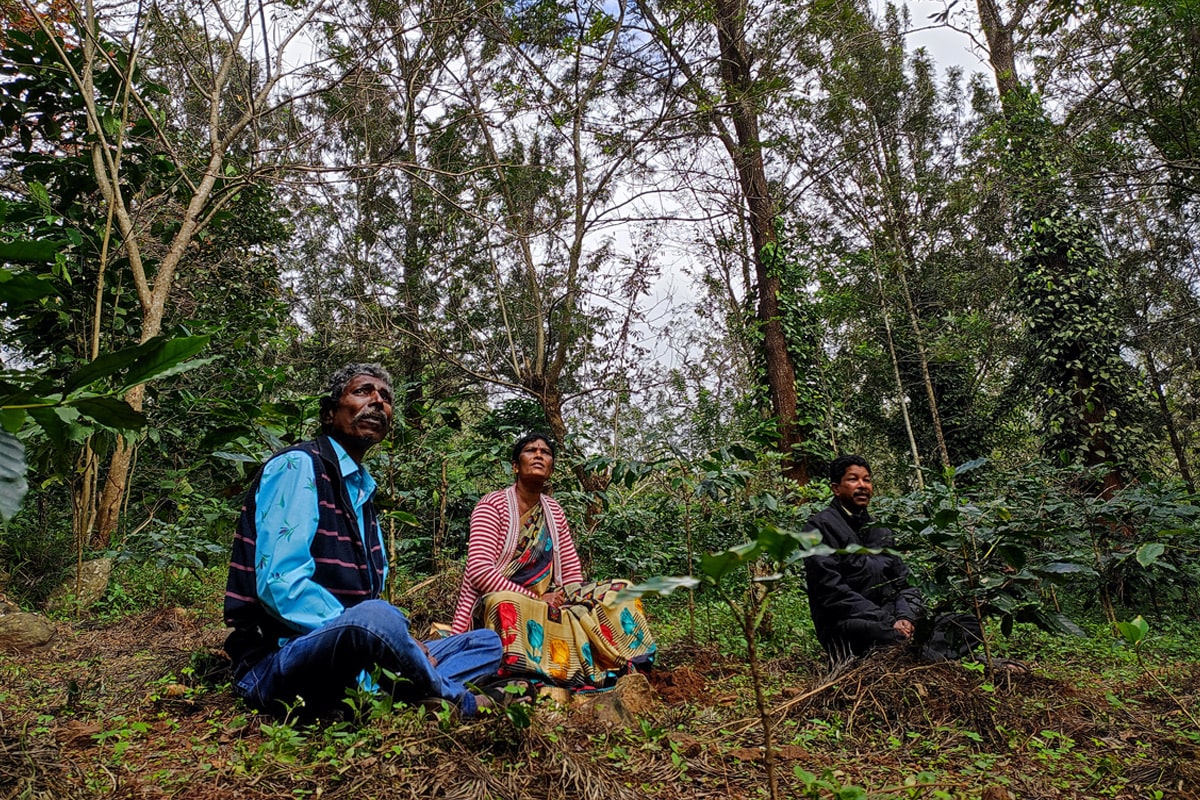

Our coffee is in collaboration with people and nature

Know More